
Running paid advertising campaigns can be easy, but generating real results can be challenging. Many businesses invest in Google Ads expecting quick leads and conversions, yet results often fall short because of what happens after users click the ad. Slow websites, poorly designed landing pages, or confusing navigation can drive visitors away.
By combining Webflow and Google Ads, businesses can create fast, conversion-focused landing pages that improve user experience and turn ad clicks into meaningful business results.
Why This Matters in Modern Digital Marketing
Digital advertising has become one of the most competitive marketing channels. Businesses across industries are constantly competing for attention and visibility.
According to Google, companies earn an average of $2 in revenue for every $1 spent on Google Ads when campaigns are properly optimized.
However, ad performance does not depend only on targeting or ad copy. The experience users encounter after clicking the ad plays a crucial role in determining whether they stay or leave.
Research from HubSpot shows that companies using optimized landing pages generate up to 55% more leads compared to those using generic website pages.
This highlights a simple reality: a successful ad campaign needs an equally strong website experience.
Understanding the Connection Between Ads and Website Performance
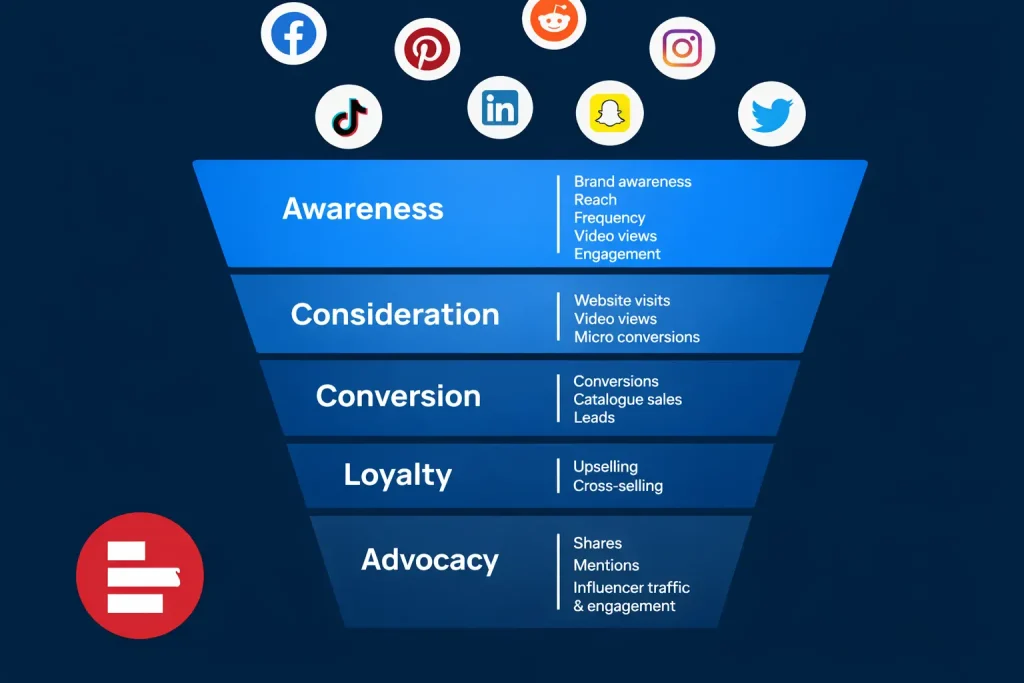
When a user clicks a Google Ad, they expect a fast, relevant, and seamless experience. If the landing page fails to meet that expectation, the user quickly exits.
Google measures this experience using a metric called Quality Score, which directly affects:
- Ad ranking
- Cost per click (CPC)
- Overall campaign performance
One of the most important factors influencing Quality Score is Landing Page Experience.
Google evaluates whether a landing page:
- Matches the ad message
- Loads quickly
- Works well on mobile devices
- Is easy to navigate
- Provides clear and relevant information
If the landing page performs poorly, advertising costs increase while conversions decrease.
This is why the website platform used for landing pages becomes extremely important.
How Webflow Improves Google Ads Performance
Webflow offers several advantages that make it ideal for creating landing pages for advertising campaigns.
Fast Website Performance
Website speed plays a major role in both user experience and ad performance.
Webflow generates clean, optimized code and provides high-performance hosting. This ensures that landing pages load quickly across devices. Faster pages reduce bounce rates and keep visitors engaged long enough to take action.
Google research shows that 53% of mobile users abandon websites that take longer than three seconds to load, highlighting how critical speed is for conversions.
Conversion-Focused Landing Pages
Many businesses make the mistake of directing ad traffic to their homepage. Unfortunately, homepages are rarely designed to convert paid traffic.
Webflow allows marketers to create dedicated landing pages for specific campaigns.
Effective landing pages typically include:
- A clear headline aligned with the ad message
- A simple layout focused on one goal
- Strong call-to-action buttons
- Trust signals such as testimonials or reviews
- Minimal distractions
This focused structure helps guide visitors toward taking action.
Flexible Design and Marketing Control
One of Webflow’s biggest advantages is the level of design freedom it provides.
Marketing teams can quickly build and modify landing pages without relying heavily on developers. This allows businesses to:
- Create custom campaign landing pages
- Run A/B tests on different designs
- Adjust messaging based on campaign performance
This flexibility makes continuous optimization much easier.
Seamless Conversion Tracking
Understanding campaign performance requires accurate data.
Webflow integrates easily with important marketing tools such as:
- Google Ads Conversion Tracking
- Google Analytics
- Google Tag Manager
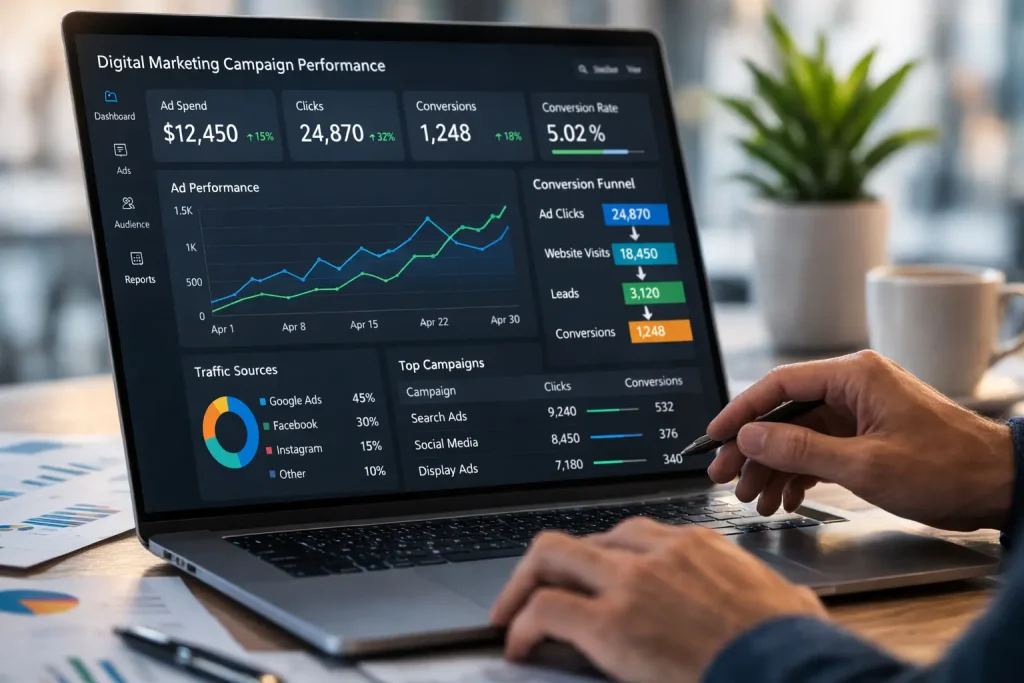
These integrations allow businesses to track key actions like:
- Form submissions
- Phone calls
- Product purchases
- Downloads
With accurate conversion tracking, marketers can clearly measure campaign performance and improve ROI.
Strategies for Maximizing Results with Webflow and Google Ads
Running ads and building landing pages is not enough. A clear strategy is essential.
Align Ad Messaging With Landing Pages
The message in your Google Ad should match the headline on the landing page. When users see consistency between the ad and the page, they are more likely to trust the offer.
Use Dedicated Landing Pages
Each advertising campaign should lead to a page designed specifically for that campaign’s audience and objective.
Optimize for Mobile Users
A significant portion of ad traffic comes from mobile devices. Ensuring fast load speeds and mobile-friendly layouts is essential.
Continuously Test and Improve
Successful marketers constantly test different elements of their landing pages, including:
- Headlines
- Images
- Call-to-action buttons
- Layout structures
Even small improvements can lead to higher conversion rates.
Benefits of Using Webflow for Advertising Campaigns
Businesses that use Webflow alongside Google Ads often experience several key benefits.
Better User Experience
Webflow enables visually engaging websites with smooth navigation and responsive design.
Higher Conversion Potential
Campaign-specific landing pages increase the likelihood that visitors will take the intended action.
Faster Campaign Execution
Marketing teams can launch landing pages quickly without waiting for extensive development support.
Improved SEO and Performance
Webflow websites are structured in a way that supports both organic SEO efforts and paid advertising campaigns, creating a balanced digital marketing strategy.
Challenges Businesses May Still Face
Even with the right tools, certain challenges can still affect campaign performance.
Incorrect Audience Targeting
If ads are shown to the wrong audience, even a perfectly designed landing page may struggle to convert.
Weak Value Proposition
Both ads and landing pages must clearly communicate why the offer is valuable.
Incomplete Conversion Tracking
Without proper tracking, businesses cannot accurately measure results or optimize campaigns.
Regular performance reviews and marketing audits can help identify these issues early.
Future Trends in Ad-Driven Websites
Digital marketing continues to evolve rapidly, and advertising strategies are becoming more sophisticated.
AI-Powered Campaign Optimization
Artificial intelligence tools are increasingly used to optimize ad targeting, bidding strategies, and landing page performance.
Personalized Landing Pages
Future websites may dynamically adapt content based on user behavior, location, or preferences.
Integrated Marketing Platforms
Website platforms and advertising tools are becoming more connected, allowing marketers to manage campaigns and website performance in a single ecosystem.
Webflow’s flexibility makes it well positioned for these future developments.
Conclusion
The success of digital advertising depends on more than just running ads. What truly determines results is the experience users have after clicking those ads.
By combining Webflow and Google Ads, businesses can create fast, relevant, and conversion-focused landing pages that transform ad clicks into real business outcomes.
When advertising strategy and website experience work together, marketing campaigns become significantly more effective and profitable.Learn more about building high-performing marketing websites at https://reachskyline.com/ .
FAQs
Webflow allows businesses to create fast, visually optimized landing pages without relying on developers. These pages can be tailored to specific ad campaigns, improving user experience and increasing conversion rates.
Webflow offers greater design flexibility and faster development compared to many traditional CMS platforms, making it ideal for creating campaign-specific landing pages and testing different marketing strategies.
A high-performing landing page includes a clear headline, strong call-to-action, fast loading speed, mobile responsiveness, and content that directly matches the ad message.
Yes. Webflow can easily integrate with Google Ads conversion tracking, Google Analytics, and Google Tag Manager, allowing marketers to measure campaign performance and optimize strategies.
Google evaluates landing page quality when determining ad rankings and costs. Pages that load quickly, match ad content, and provide a clear user experience typically achieve better Quality Scores and lower advertising costs.