RS logo Bg-black

strategy

Reels, Shorts, or Long Videos: What Gets More Reach?
Digital Marketing, strategy

Reels, Shorts, or Long Videos: What Gets More Reach?

Video content is now the most powerful way to grow online. Whether you’re building a brand, running a business or managing a content page, choosing the right format matters. Many creators wonder what brings more reach: short-form videos like youtube shorts and instagram reels, or traditional long-form videos. Each format plays a different role in content growth. Understanding how they work together can help you build a strong instagram account and expand your presence across platforms. The Rise of Short-Form Video Short-form content has completely changed the way audiences consume videos. Platforms are pushing quick, engaging content to keep users scrolling. Because of this, short videos often get more visibility than long ones. Formats like youtube shorts, instagram reels, instagram shorts, youtube shorts are designed for fast consumption and quick engagement. These videos are shown not only to followers but also to new users, which increases reach significantly. Short videos are ideal for: If your goal is quick reach and discovery, short-form content is currently leading across platforms. Why Instagram Reels Drive Growth Instagram has shifted its focus heavily toward video. Reels have become one of the most effective ways to improve growth on instagram. When you post instagram reels consistently, your content has a higher chance of appearing in the Explore section and Reels feed. This means even smaller pages can reach thousands of users without paid promotion. Instagram reels works well because: For businesses and creators looking to scale their instagram account, reels are essential. Posting regularly can significantly improve reach and engagement. YouTube Shorts and Reach Potential YouTube has also introduced short-form vertical videos through youtube shorts. These videos are designed to compete with other short-form platforms and are heavily promoted by the algorithm. Many creators experience rapid growth by posting yt shorts consistently. Shorts are displayed in a dedicated feed and can reach viewers who have never visited your channel before. Youtube shorts reels and youtube reels help with: Short videos on YouTube often act as an entry point. Viewers who discover you through shorts may later watch your long-form content. The Role of Long Videos While short videos get more reach, long videos serve a different purpose. They help build trust, provide detailed information, and create stronger connections with the audience. Long videos are best for: Once short videos bring attention to your content, long videos help convert viewers into loyal followers or customers. Which Format Gets More Reach? If the goal is purely reached, short videos usually perform better. Platforms promote short-form content because it keeps users engaged for longer periods. However, long videos are still important for building credibility and deeper engagement. A balanced approach works best: Creators who combine these formats often see stronger and more sustainable growth. Best Strategy for Creators and Brands To maximize reach and engagement, consistency is key. A simple content plan can help: Daily: Weekly: This strategy helps grow an instagram account, increase subscribers, and build trust with the audience. Tips to Improve Video Reach Cross-posting between instagram reels and youtube shorts can significantly increase visibility without creating extra content. Conclusion Short-form content currently brings the most reach. Formats like youtube shorts and instagram reels are designed to reach new audiences quickly. They are powerful tools for discovery and fast growth. Long videos still play an important role in building trust and authority. The most effective strategy is to use both short and long formats together. By combining short videos for reach and long videos for depth, creators and brands can achieve steady growth and long-term success. FAQ
Before vs After: Website Redesign Impact on Leads
strategy

Before vs After: Website Redesign Impact on Leads

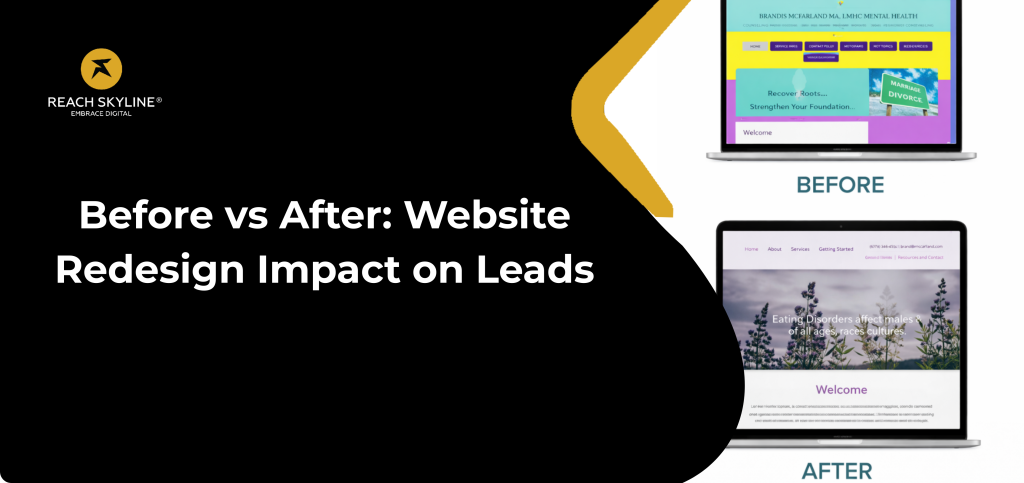
A website redesign is not about pretty colors, trendy fonts, or impressing your designer friends. It is about getting more leads, improving visibility, and making your site actually work. When done right, a redesign using WordPress web design, solid website and SEO practices, and proper full stack web development can completely change how users and search engines interact with your business. Let’s break down what really changes before and after a website redesign and why the difference in leads can be dramatic. Before Redesign: The Lead-Killing Phase Most outdated websites suffer from the same predictable problems. 1. Poor Google Page Performance Slow-loading pages damage both user experience and rankings. A weak Google Page performance score means: Search engines treat slow sites like expired milk. Nobody wants it. 2. Non-Responsive Website Without a responsive website, your site becomes a nightmare on mobile devices. Since most users now browse on phones: A lack of responsive website design directly kills conversions. 3. Outdated WordPress Website Structure An old WordPress website often suffers from: This results in bad performance, confusing UX, and lower trust. 4. Weak Website and SEO Integration Without proper website and SEO alignment: SEO is not decoration. It’s the bloodstream of organic traffic. 5. Slow Site Speed Low site speed causes: Every extra second of loading time costs real money. After Redesign: The Lead-Generating Phase A smart redesign transforms your website into a lead engine. 1. Strategic WordPress Web Design Modern WordPress web design focuses on: This improves engagement and keeps users exploring instead of escaping. 2. Optimized Google Page Performance After redesign: Speed = trust + visibility + leads. 3. Fully Responsive Website Design A proper responsive website design ensures: A truly responsive website adapts seamlessly to all devices, turning mobile users into serious leads. 4. SEO-Driven Website Architecture Integrating website and SEO during redesign helps: SEO stops being an afterthought and becomes the foundation. 5. Faster Site Speed Optimized site speed means: Fast websites quietly outperform slow competitors every single day. 6. Full Stack Web Development Integration Using full stack web development ensures: This creates scalable, secure, and future-ready websites that don’t collapse when traffic increases. Real Impact on Leads: Before vs After Metric Before Redesign After Redesign Site Speed 6–8 sec load Under 2 sec Google Page Score 40–55 85–95 Mobile Usability Poor Excellent Bounce Rate 70–80% 30–45% Lead Conversion Low 2x–4x Growth A redesign isn’t cosmetic. It’s a direct revenue upgrade. Why WordPress Is Ideal for High-Performance Websites A modern WordPress website combined with smart full stack web development allows: WordPress becomes a growth platform instead of just a CMS. FAQs: Website Redesign & Lead Generation

Why Your Website Isn’t Ranking on Google (And How to Fix It)
strategy

Why Your Website Isn’t Ranking on Google (And How to Fix It)

If your website isn’t appearing on the first page of Google, you’re not alone. Many businesses invest time and money into their online presence but still struggle with SEO ranking and visibility. With millions of websites competing for attention, improving your google search ranking requires the right strategy, consistent effort and proper optimization. This blog explains the most common reasons why your website isn’t ranking and the practical steps you can take to fix it. Your website isn’t properly optimized One of the biggest reasons for low visibility is weak google search optimization. If your website content, structure, and technical setup aren’t optimized correctly, search engines will struggle to understand your pages. How to fix it: Businesses that invest in search engine optimization services often see faster improvements because experts identify technical and content issues quickly. Low-quality or insufficient content Google prioritizes helpful, informative, and original content. If your site has thin or duplicate content, your SEO ranking will drop. How to fix it: Content plays a major role in search engine optimization in digital marketing, so focus on providing value rather than stuffing keywords. Slow website, speed and poor mobile experience Website speed and mobile usability are ranking factors. A slow site can harm your google search ranking even if your content is good. How to fix it: Strong technical performance supports both digital marketing services and SEO. Weak backlinks and authority Backlinks from trusted sites improve credibility. Without them, it’s difficult to rank well. How to fix it: Backlinks are essential to improve SEO ranking and overall authority. Ignoring app and mobile ecosystem If your business has an app, ignoring app optimization can reduce visibility across platforms. How to fix it: Combining website SEO and app optimization improves visibility across search results. Not tracking performance Many businesses don’t regularly check google ranking, so they don’t know what needs improvement. How to fix it: Tracking helps you properly SEO your website and improve results over time. No complete digital marketing strategy SEO works best when combined with a broader strategy. Businesses using complete digital marketing services often rank higher because they build authority across channels. How to fix it: Search engine optimization in digital marketing works best when integrated with other strategies. Conclusion If your website isn’t ranking on Google, the issue usually comes down to poor optimization, weak content, technical problems, or lack of authority. The good news is that these problems can be fixed with consistent effort and the right approach. By improving google search optimization, publishing helpful content, and using reliable search engine optimization services when needed, you can gradually improve visibility and rankings. FAQs

Scroll to Top