RS logo Bg-black

Author name: Reach Skyline

Nano Banana 2: Pro AI Speed for Creators
AI

Nano Banana 2: Built for Pros, Designed for Speed

In the modern digital economy, speed is no longer a luxury — it’s a requirement. Creative teams, agencies, and brands are expected to produce high-quality visuals at scale, often within tight deadlines. Nano Banana 2 rises to this challenge with a powerful system engineered for professionals who demand both performance and precision. By combining intelligent automation with advanced creative tools, Nano Banana 2 redefines how teams approach ai generate workflows, produce ai images, and handle professional image editing tasks. Power Meets Performance Nano Banana 2 is engineered for high-speed production environments. Whether you’re building ad creatives, social media posts, landing page visuals, or product mockups, the platform allows you to transform ideas into finished assets in minutes. The ai generate engine is optimized to interpret prompts intelligently, producing accurate and visually compelling results. Instead of spending hours building from scratch, users can generate ai images almost instantly and then refine them using built-in image editing tools. This dramatically shortens production cycles while maintaining high creative standards. Intelligent AI Generate Capabilities Nano Banana 2 uses advanced algorithms to understand creative intent. It doesn’t just create random outputs — it generates structured, brand-ready visuals tailored for professional use. Key advantages include: With AI generate functionality, creative brainstorming becomes faster and more dynamic. Teams can test ideas quickly, refine them, and move straight to production. Professional-Grade AI Images The quality of ai images produced by Nano Banana 2 is built to meet commercial standards. This makes it ideal for: Each image is optimized for clarity, balance, and composition. Professionals can easily adjust size, format, and resolution depending on the platform requirements. Instead of compromising quality for speed, Nano Banana 2 ensures both. Advanced Image Editing for Total Control Automation is powerful, but creative control remains essential. Nano Banana 2 includes comprehensive image editing tools that allow users to fine-tune every detail. You can: This seamless integration between ai generate features and manual image editing capabilities ensures the final output aligns perfectly with brand guidelines. Built for Teams and Agencies Nano Banana 2 is not just for individual creators — it’s designed for collaborative environments. Agencies and in-house marketing teams can benefit from: By centralizing ai generate and image editing in one system, teams eliminate friction and increase productivity. Speed as a Competitive Advantage In digital marketing, the brand that moves fastest often wins. Campaign trends shift quickly, and content demand never slows down. Nano Banana 2 empowers professionals to respond instantly. Need 20 ad variations? Generate them.Need quick ai images for a product launch? Create them in minutes.Need last-minute image editing adjustments? Done instantly. This agility gives businesses a real competitive edge. The Future of Visual Creation Nano Banana 2 represents the evolution of creative technology. It bridges the gap between automation and artistry. While ai generate systems accelerate production, professionals maintain strategic control over visual storytelling. As industries increasingly rely on digital content, tools like Nano Banana 2 become essential assets for forward-thinking teams. FAQs
Beyond Vegetarian Diets: The Truth About Vitamin B12 Deficiency and Supplements
Branding and Creative Agency

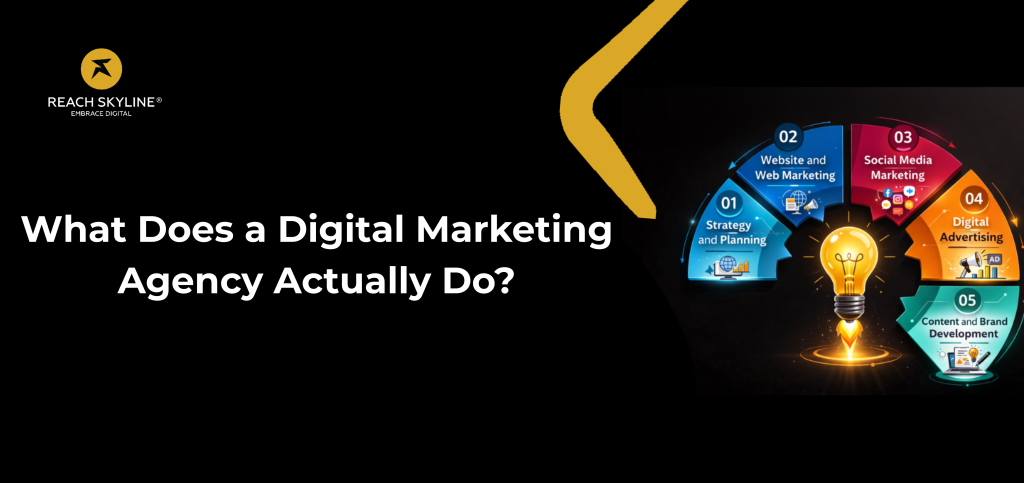
What Does a Digital Marketing Agency Actually Do?

In today’s competitive online landscape, businesses need more than just a website to grow. They need visibility, engagement, and consistent conversions. That’s where a digital marketing agency comes in. Whether you run a startup, local business, or large enterprise, partnering with experts can help you attract the right audience and turn them into loyal customers. This blog post explains what agencies do, how they support business growth, and why a strong digital marketing strategy is essential. Understanding the Role of a Digital Marketing Agency A digital marketing agency helps businesses promote their products or services online using multiple digital channels. These include search engines, websites, email, content, and social platforms. The goal is simple: increase brand awareness, generate leads, and drive sales through effective web marketing and digital advertising. Instead of hiring separate specialists for each channel, companies often rely on an agency that provides a complete set of services under one roof. This ensures consistency in messaging, branding, and performance tracking. Core Services Provided by Agencies 1. Strategy and Planning Every successful campaign begins with a clear plan. Agencies analyze your industry, competitors, and target audience to build a tailored digital marketing strategy. This plan defines the right platforms, budget allocation, and performance goals to ensure long-term growth. 2. Website and Web Marketing A strong online presence starts with a well-optimized website. Agencies handle website design, landing page optimization, and user experience improvements. They also focus on search visibility and conversion tracking so visitors turn into leads or customers. Web marketing includes search engine optimization, content marketing, and performance monitoring to ensure your website consistently brings in traffic and results. 3. Social Media Marketing A social media marketing agency manages brand presence across platforms like Instagram, Facebook, LinkedIn, and YouTube. This includes content creation, posting schedules, audience engagement, and paid promotions. A social media agency ensures that your brand voice stays consistent while building a community around your business. Social media marketing is not just about posting regularly—it’s about creating meaningful interactions that lead to trust and conversions. 4. Digital Advertising Paid campaigns help businesses reach their target audience quickly. Agencies manage ads on search engines, social platforms, and display networks. They handle keyword research, audience targeting, budget management, and performance optimization. Digital advertising allows brands to scale faster, test new markets, and generate measurable results in a short time. 5. Content and Brand Development Content is the backbone of online marketing. Agencies create blogs, videos, social posts, and ad creatives that educate and engage audiences. High-quality content builds authority and supports all other marketing efforts. Why Businesses Work With Agencies Working with professionals saves time and ensures access to specialized skills. Agencies bring experience from multiple industries, advanced tools, and data-driven insights. They monitor campaigns regularly and make adjustments to improve performance. For many businesses, outsourcing to an agency is more cost-effective than building an in-house team. It also allows them to focus on core operations while marketing experts handle growth. How a Strong Strategy Drives Results A well-defined digital marketing strategy connects all marketing activities into one unified plan. Instead of running random campaigns, agencies align content, advertising, and social efforts with business goals. This approach helps in: When strategy and execution work together, businesses can scale faster and more efficiently. Final Thoughts A modern digital marketing agency does much more than run ads or post on social media. It acts as a growth partner that plans, executes, and optimizes campaigns across multiple channels. From web marketing to social media marketing and digital advertising, agencies help businesses stay competitive in an ever-changing online world. Choosing the right partner can transform your online presence, strengthen your brand, and drive sustainable growth. FAQs

Reels, Shorts, or Long Videos: What Gets More Reach?
Digital Marketing, strategy

Reels, Shorts, or Long Videos: What Gets More Reach?

Video content is now the most powerful way to grow online. Whether you’re building a brand, running a business or managing a content page, choosing the right format matters. Many creators wonder what brings more reach: short-form videos like youtube shorts and instagram reels, or traditional long-form videos. Each format plays a different role in content growth. Understanding how they work together can help you build a strong instagram account and expand your presence across platforms. The Rise of Short-Form Video Short-form content has completely changed the way audiences consume videos. Platforms are pushing quick, engaging content to keep users scrolling. Because of this, short videos often get more visibility than long ones. Formats like youtube shorts, instagram reels, instagram shorts, youtube shorts are designed for fast consumption and quick engagement. These videos are shown not only to followers but also to new users, which increases reach significantly. Short videos are ideal for: If your goal is quick reach and discovery, short-form content is currently leading across platforms. Why Instagram Reels Drive Growth Instagram has shifted its focus heavily toward video. Reels have become one of the most effective ways to improve growth on instagram. When you post instagram reels consistently, your content has a higher chance of appearing in the Explore section and Reels feed. This means even smaller pages can reach thousands of users without paid promotion. Instagram reels works well because: For businesses and creators looking to scale their instagram account, reels are essential. Posting regularly can significantly improve reach and engagement. YouTube Shorts and Reach Potential YouTube has also introduced short-form vertical videos through youtube shorts. These videos are designed to compete with other short-form platforms and are heavily promoted by the algorithm. Many creators experience rapid growth by posting yt shorts consistently. Shorts are displayed in a dedicated feed and can reach viewers who have never visited your channel before. Youtube shorts reels and youtube reels help with: Short videos on YouTube often act as an entry point. Viewers who discover you through shorts may later watch your long-form content. The Role of Long Videos While short videos get more reach, long videos serve a different purpose. They help build trust, provide detailed information, and create stronger connections with the audience. Long videos are best for: Once short videos bring attention to your content, long videos help convert viewers into loyal followers or customers. Which Format Gets More Reach? If the goal is purely reached, short videos usually perform better. Platforms promote short-form content because it keeps users engaged for longer periods. However, long videos are still important for building credibility and deeper engagement. A balanced approach works best: Creators who combine these formats often see stronger and more sustainable growth. Best Strategy for Creators and Brands To maximize reach and engagement, consistency is key. A simple content plan can help: Daily: Weekly: This strategy helps grow an instagram account, increase subscribers, and build trust with the audience. Tips to Improve Video Reach Cross-posting between instagram reels and youtube shorts can significantly increase visibility without creating extra content. Conclusion Short-form content currently brings the most reach. Formats like youtube shorts and instagram reels are designed to reach new audiences quickly. They are powerful tools for discovery and fast growth. Long videos still play an important role in building trust and authority. The most effective strategy is to use both short and long formats together. By combining short videos for reach and long videos for depth, creators and brands can achieve steady growth and long-term success. FAQ

Before vs After: Website Redesign Impact on Leads
strategy

Before vs After: Website Redesign Impact on Leads

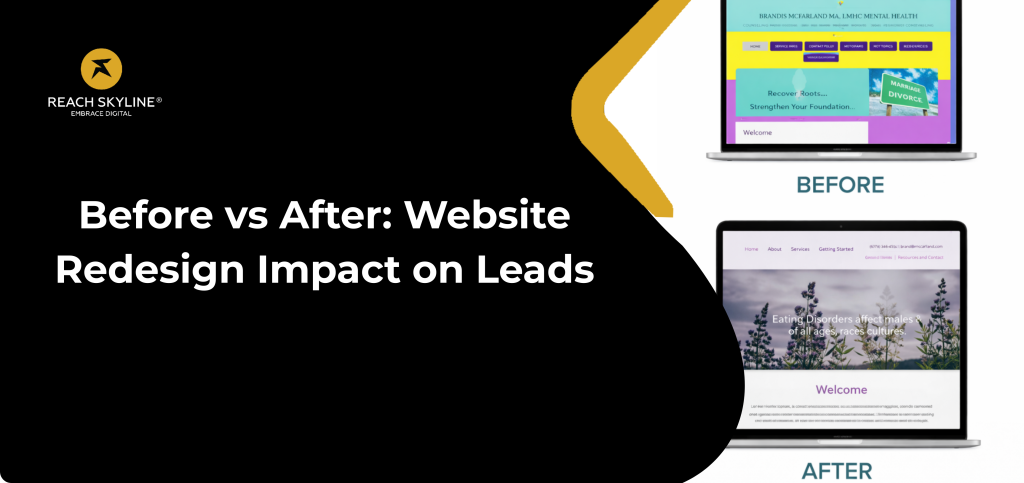
A website redesign is not about pretty colors, trendy fonts, or impressing your designer friends. It is about getting more leads, improving visibility, and making your site actually work. When done right, a redesign using WordPress web design, solid website and SEO practices, and proper full stack web development can completely change how users and search engines interact with your business. Let’s break down what really changes before and after a website redesign and why the difference in leads can be dramatic. Before Redesign: The Lead-Killing Phase Most outdated websites suffer from the same predictable problems. 1. Poor Google Page Performance Slow-loading pages damage both user experience and rankings. A weak Google Page performance score means: Search engines treat slow sites like expired milk. Nobody wants it. 2. Non-Responsive Website Without a responsive website, your site becomes a nightmare on mobile devices. Since most users now browse on phones: A lack of responsive website design directly kills conversions. 3. Outdated WordPress Website Structure An old WordPress website often suffers from: This results in bad performance, confusing UX, and lower trust. 4. Weak Website and SEO Integration Without proper website and SEO alignment: SEO is not decoration. It’s the bloodstream of organic traffic. 5. Slow Site Speed Low site speed causes: Every extra second of loading time costs real money. After Redesign: The Lead-Generating Phase A smart redesign transforms your website into a lead engine. 1. Strategic WordPress Web Design Modern WordPress web design focuses on: This improves engagement and keeps users exploring instead of escaping. 2. Optimized Google Page Performance After redesign: Speed = trust + visibility + leads. 3. Fully Responsive Website Design A proper responsive website design ensures: A truly responsive website adapts seamlessly to all devices, turning mobile users into serious leads. 4. SEO-Driven Website Architecture Integrating website and SEO during redesign helps: SEO stops being an afterthought and becomes the foundation. 5. Faster Site Speed Optimized site speed means: Fast websites quietly outperform slow competitors every single day. 6. Full Stack Web Development Integration Using full stack web development ensures: This creates scalable, secure, and future-ready websites that don’t collapse when traffic increases. Real Impact on Leads: Before vs After Metric Before Redesign After Redesign Site Speed 6–8 sec load Under 2 sec Google Page Score 40–55 85–95 Mobile Usability Poor Excellent Bounce Rate 70–80% 30–45% Lead Conversion Low 2x–4x Growth A redesign isn’t cosmetic. It’s a direct revenue upgrade. Why WordPress Is Ideal for High-Performance Websites A modern WordPress website combined with smart full stack web development allows: WordPress becomes a growth platform instead of just a CMS. FAQs: Website Redesign & Lead Generation

Why Your Website Isn’t Ranking on Google (And How to Fix It)
strategy

Why Your Website Isn’t Ranking on Google (And How to Fix It)

If your website isn’t appearing on the first page of Google, you’re not alone. Many businesses invest time and money into their online presence but still struggle with SEO ranking and visibility. With millions of websites competing for attention, improving your google search ranking requires the right strategy, consistent effort and proper optimization. This blog explains the most common reasons why your website isn’t ranking and the practical steps you can take to fix it. Your website isn’t properly optimized One of the biggest reasons for low visibility is weak google search optimization. If your website content, structure, and technical setup aren’t optimized correctly, search engines will struggle to understand your pages. How to fix it: Businesses that invest in search engine optimization services often see faster improvements because experts identify technical and content issues quickly. Low-quality or insufficient content Google prioritizes helpful, informative, and original content. If your site has thin or duplicate content, your SEO ranking will drop. How to fix it: Content plays a major role in search engine optimization in digital marketing, so focus on providing value rather than stuffing keywords. Slow website, speed and poor mobile experience Website speed and mobile usability are ranking factors. A slow site can harm your google search ranking even if your content is good. How to fix it: Strong technical performance supports both digital marketing services and SEO. Weak backlinks and authority Backlinks from trusted sites improve credibility. Without them, it’s difficult to rank well. How to fix it: Backlinks are essential to improve SEO ranking and overall authority. Ignoring app and mobile ecosystem If your business has an app, ignoring app optimization can reduce visibility across platforms. How to fix it: Combining website SEO and app optimization improves visibility across search results. Not tracking performance Many businesses don’t regularly check google ranking, so they don’t know what needs improvement. How to fix it: Tracking helps you properly SEO your website and improve results over time. No complete digital marketing strategy SEO works best when combined with a broader strategy. Businesses using complete digital marketing services often rank higher because they build authority across channels. How to fix it: Search engine optimization in digital marketing works best when integrated with other strategies. Conclusion If your website isn’t ranking on Google, the issue usually comes down to poor optimization, weak content, technical problems, or lack of authority. The good news is that these problems can be fixed with consistent effort and the right approach. By improving google search optimization, publishing helpful content, and using reliable search engine optimization services when needed, you can gradually improve visibility and rankings. FAQs

Marketing Automation for Beginners: A Complete Guide
Branding and strategy

Marketing Automation for Beginners: A Complete Guide

Marketing today moves fast. Businesses are expected to respond to customers instantly, personalize communication, and stay active across multiple platforms. This is where marketing automation becomes valuable. It helps organizations streamline repetitive tasks, improve efficiency, and deliver consistent communication without constant manual effort. For beginners, understanding how automation works can make a big difference in building a strong and scalable marketing strategy. What Is Marketing Automation? Marketing automation refers to the use of software and technology to automate marketing activities such as email campaigns, social media posting, lead nurturing, and performance tracking. Instead of sending messages manually, automation systems trigger actions based on user behavior, preferences, or schedules. To understand this better, it helps to define marketing. Marketing is the process of promoting products or services, identifying customer needs, and building relationships that lead to conversions and loyalty. Automation supports this process by making communication faster, more consistent, and data-driven. Key points: Why Businesses Use Marketing Automation Businesses use automation to save time and maintain consistent communication with their audience. Automation tools ensure that leads are followed up properly, campaigns are tracked, and customers receive relevant content at the right time. This allows marketing teams to focus more on creativity and planning instead of repetitive work. In digital marketing, automation plays a major role in managing email campaigns, segmenting audiences, targeting ads, and analyzing results. By tracking customer behavior, businesses can send personalized messages that improve engagement and conversions. Benefits for businesses: Key Benefits of Marketing Automation Marketing automation improves efficiency by allowing teams to manage campaigns from a single platform. It also enhances personalization by delivering relevant messages based on customer actions. With better data tracking, businesses can measure performance and refine their marketing strategy. As businesses grow, managing campaigns manually becomes difficult. Automation systems help scale operations without increasing workload significantly. Main advantages: Popular Marketing Automation Tools There are many marketing automation tools designed for different business needs. Some tools focus on email marketing, while others provide complete solutions for lead management, analytics, and social media scheduling. Beginners should choose tools that are easy to use and fit their budget. When selecting a tool, businesses should consider integration options, features, and long-term goals. Starting with basic automation and expanding later is often the best approach. What to look for in tools: Role of Automation in Digital Marketing Automation is a key part of digital marketing. It helps businesses manage communication across email, websites, and social platforms. With automation, companies can schedule campaigns, track engagement, and respond to customer actions instantly. Automation also supports a strong social media marketing strategy. Businesses can plan posts in advance, monitor engagement, and analyze performance across multiple platforms without manual posting every day. How automation helps digital marketing: AI and the Future of Marketing Automation AI marketing automation is transforming how brands interact with customers. Artificial intelligence can analyze large amounts of data and predict customer behavior. This allows businesses to deliver personalized experiences and optimize campaigns automatically. AI-powered tools can recommend products, improve ad targeting, and generate content ideas. Many platforms now include built-in AI features that help marketers make smarter decisions. AI in marketing automation: Building a Marketing Strategy with Automation A successful marketing strategy combines planning, creativity, and automation. Businesses should start by identifying goals, target audiences, and marketing channels. Once the strategy is clear, automation can help execute campaigns efficiently. For example, companies can create automated email sequences, schedule social media posts, and track campaign results in real time. Automation supports every stage of the customer journey, from awareness to retention. Steps to build a strategy: Career Opportunities in Marketing Automation As automation becomes more common, there is growing demand for professionals with automation skills. Many digital marketing careers now require knowledge of automation tools, analytics, and campaign management. Roles such as digital marketing specialist, automation manager, and CRM expert are in demand. Learning automation platforms and data analysis can open new career opportunities. Skills in demand: Getting Started with Marketing Automation Beginners should start with simple tools and focus on one area, such as email marketing or social media scheduling. Learning how to create workflows, segment audiences, and track results is essential. Over time, businesses can expand to advanced features like lead scoring and predictive analytics. Automation works best when combined with regular testing and optimization. Reviewing performance and making improvements ensures better results. Beginner tips: Conclusion Marketing automation helps businesses improve efficiency, deliver personalized experiences, and manage campaigns more effectively. It supports digital marketing efforts by automating tasks and providing valuable insights. For beginners, learning how automation works and using the right tools can build a strong foundation for growth. As technology evolves, automation will continue to shape modern marketing. Businesses that adopt automation early and use it strategically will have a competitive advantage. FAQ

Early Burnout Signals Emerging Among Heavy AI Users
Uncategorized

Early Burnout Signals Emerging Among Heavy AI Users

Artificial intelligence is now deeply integrated into daily work routines. From writing and research to design and planning, professionals across industries are using AI tools to complete tasks faster and more efficiently. However, as reliance on AI grows, early signs of burnout are starting to appear among heavy users. While AI technology is meant to reduce workload, constant interaction with digital tools and rising productivity expectations can sometimes create mental fatigue. Understanding how AI is used in modern workplaces and how to use it sustainably has become increasingly important. The Growing Role of AI in Work and Industry Across different sectors, companies are adopting AI and industry workflows are changing rapidly. Many professionals now depend on AI tools for work such as: A simple study in AI approach shows that people who frequently rely on automation and AI assistance can complete tasks much faster. However, this speed often leads to more assignments and tighter deadlines rather than extra free time. Companies working in AI are continuously introducing new tools that improve efficiency, but they also reshape expectations about productivity and output. How Heavy AI Use Can Lead to Burnout Rising productivity expectations When employees use AI tools for work, tasks that once took hours can now be completed in minutes. This can lead organizations to expect faster turnaround times and higher output. Over time, increased expectations may result in stress and mental exhaustion. Constant interaction with AI tools AI is available at any time, making it easy for professionals to keep working without breaks. From drafting emails to generating AI images and reports, users may spend long hours switching between tasks without pausing. Continuous screen time can contribute to fatigue. Information and idea overload One of the main things you can do with AI is generate multiple ideas quickly. While this is helpful, reviewing and selecting the best outputs can be mentally tiring. Instead of reducing effort, AI sometimes shifts the workload from creation to evaluation. Reduced downtime Because AI tools make work faster, many users move directly from one task to another. Without intentional breaks, this constant workflow can lead to early burnout signals. Early Signs of AI-Related Burnout People who rely heavily on AI tools may notice: These signs can appear gradually, making them easy to overlook. The Expanding Capabilities of AI AI technology is becoming more versatile. Some common things you can do with AI include: AI for image generation and design is especially popular in creative industries. Many professionals now use AI image tools to create graphics, social media visuals, and concept designs quickly. While this saves time, it can also increase the pace of work. AI and Industry Expectations As AI and industry adoption continues to grow, companies are rethinking how work gets done. Businesses are investing in AI tools to improve efficiency and stay competitive. Companies working in AI are also releasing new features that expand what these tools can do. However, faster workflows can sometimes lead to: Balancing productivity with well-being is becoming an important discussion across industries. Using AI in a Healthy Way AI can be a powerful support tool when used thoughtfully. To prevent burnout, individuals and organizations can take steps to create a balanced workflow. For individuals: For organizations: A balanced approach helps ensure that AI improves productivity without harming mental health. The Future of Work With AI AI will continue to shape how people work across industries. From study AI initiatives to advanced automation tools, technology will keep evolving. As more companies adopt AI tools and workflows, maintaining a healthy balance between efficiency and well-being will be essential. AI can improve creativity, speed, and innovation when used responsibly. The key is ensuring that increased productivity does not lead to constant pressure. Conclusion Early burnout signals among heavy AI users highlight the need for mindful technology use. AI tools, AI image platforms, and automation systems offer significant benefits, but overuse can lead to fatigue if boundaries are not set. As AI and industry adoption continues to grow, individuals and organizations must focus on sustainable work habits. By using AI as a supportive tool rather than a constant driver of productivity, professionals can enjoy the benefits of innovation while maintaining mental well-being and long-term performance. FAQ

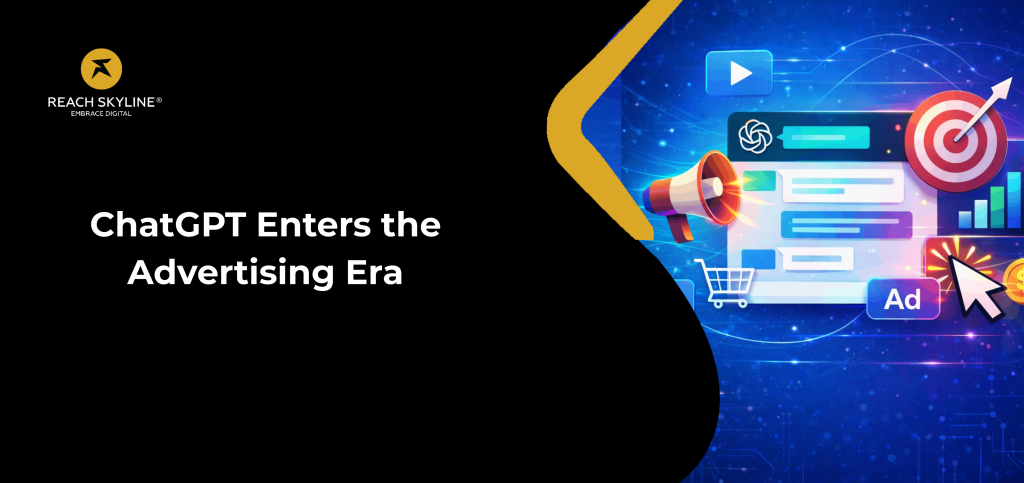
ChatGPT Enters the Advertising Era
AI, Branding and Creative Agency, Branding and strategy, Digital Marketing, Website Development

ChatGPT Enters the Advertising Era

Artificial intelligence is rapidly transforming how brands connect with audiences. As conversational platforms become part of everyday digital life, the idea of advertising within AI systems is gaining momentum. With tools like OpenAI GPT becoming widely used for research, recommendations, and decision-making, the marketing world is entering a new phase where AI and advertising are closely connected. This shift signals the beginning of a new era in which AI is not only a productivity tool but also a discovery platform for brands and businesses. The Rise of AI in Advertising AI for advertising is evolving quickly as companies explore new ways to reach users through conversational platforms. Instead of relying only on traditional ads on websites and social media, brands are looking at how AI tools can deliver relevant recommendations during real-time conversations. Platforms powered by OpenAI GPT and other AI technologies are already being used for product suggestions, service comparisons, and planning decisions. This makes them ideal environments for ai targeted advertising that feels helpful rather than intrusive. AI Testing and Early Experiments The advertising shift in AI platforms is still in early stages. Many companies are currently focused on ai testing to understand how ads can be integrated without disrupting the user experience. During this testing phase, companies are exploring: The goal is to ensure that AI advertising tools provide value to users while also helping businesses reach the right audience. How AI Integration Is Changing Marketing AI integration is becoming a core part of modern digital marketing strategies. Businesses are now combining conversational AI, data analytics, and automation to deliver more personalized experiences. AI integration in marketing allows: This approach makes marketing more relevant and efficient compared to traditional mass advertising. Role of AI Targeted Advertising AI targeted advertising focuses on showing users content that matches their interests and needs at the moment they are searching for information. Instead of broad targeting, AI can analyze context and intent in real time. Benefits include: This type of advertising aims to feel like a helpful suggestion rather than a traditional ad. AI Advertising Tools and Platforms A growing number of AI advertising tools are emerging to support this shift. These tools help marketers analyze user behavior, create personalized content, and optimize campaigns. Some key features of AI advertising tools: As conversational platforms grow, these tools will play an important role in shaping the future of marketing. The Influence of AI Google and Search Evolution AI Google and other search technologies are also moving toward conversational experiences. Search engines are integrating AI responses directly into results, making the discovery process more interactive. This change is pushing brands to rethink how they approach advertising and visibility. As AI becomes part of search, content, and recommendations, businesses will need to optimize for AI-driven discovery rather than traditional search alone. Opportunities for Businesses The shift toward AI advertising creates several opportunities: Businesses that adopt AI early may gain a competitive advantage as this space continues to grow. Challenges and Considerations Despite its potential, AI advertising also raises important questions: Balancing helpful recommendations with ethical practices will be essential for long-term success. The Future of AI and Advertising As AI technology continues to evolve, advertising will likely become more conversational, personalized, and integrated into everyday digital interactions. OpenAI GPT and similar systems are shaping how users search for information, which in turn influences how brands connect with audiences. The future of marketing will rely heavily on: This marks the beginning of a new phase where AI and advertising work together to create more meaningful digital experiences. Conclusion ChatGPT entering the advertising era represents a major shift in digital marketing. With ongoing ai testing and the development of advanced AI advertising tools, brands are exploring new ways to connect with audiences through conversational platforms. AI targeted advertising and deeper AI integration will likely shape the future of marketing strategies. As AI continues to grow, businesses that understand and adapt to these changes will be better positioned to reach customers in smarter and more relevant ways. FAQ:

Why OpenAI decided to shut down a fan-favorite AI model
AI

Why OpenAI Decided to Shut Down a Fan-Favorite AI Model

Artificial intelligence is evolving rapidly, and companies often update or retire older systems to make way for more advanced technology. Recently, OpenAI’s decision to phase out a widely loved AI model created strong reactions from users. Many people had integrated the model into their daily work for writing, research, productivity, and even emotional support. While the decision surprised many, it reflects a broader shift in AI development. As AI technology improves, companies must balance innovation, safety, and long-term reliability. Retiring older models allows them to focus on newer tools that are more capable and better suited for current needs. Which AI Models Are Being Phased Out OpenAI has begun transitioning away from several earlier models as it introduces newer systems with improved reasoning and safety features. Models being retired or replaced include: These models were widely used because they handled writing, conversations, and productivity tasks efficiently. However, newer AI tools now combine stronger reasoning, better accuracy, and updated safety frameworks in one platform. Why OpenAI Is Retiring These Models 1. Rapid progress in AI technology AI models improve very quickly. Newer versions are able to: Maintaining older models can slow innovation. By focusing on updated systems, OpenAI can continue improving performance and features. 2. Safety and responsible AI use As conversational AI becomes more advanced, companies are placing greater emphasis on safety.Concerns included: Newer models are designed with updated safety measures to ensure balanced and responsible use. 3. Infrastructure and efficiency Running multiple large AI models requires significant computing resources.Retiring older systems helps: This allows companies to scale their services more effectively. 4. Moving toward unified AI tools OpenAI is shifting toward fewer but more powerful models that combine multiple capabilities in one system. Newer tools aim to: Why Users Reacted Strongly Many users were comfortable with the model’s tone and reliability.It was widely used for: Some people felt emotionally connected to the model because of its conversational nature. This reaction shows how deeply AI tools are becoming part of everyday routines. What Newer AI Models Offer Updated OpenAI tools are designed to provide: Although adapting to new models may take time, they are built to deliver better long-term results. The Bigger Picture in AI Development The retirement of older AI models is a normal part of technology evolution.Just like software updates, AI systems must improve to remain useful and safe. Each new generation builds on the strengths of previous versions while adding better capabilities. As AI continues to grow, companies will focus on creating tools that are: Conclusion OpenAI’s decision to shut down a fan-favorite AI model reflects the fast pace of change in AI technology. While many users appreciated the older system, the shift allows the company to focus on building more advanced, reliable, and safer tools. With newer AI models offering improved performance and stronger safeguards, users can expect more powerful and efficient tools in the future. Adapting to updated technology may take time, but it ultimately leads to better experiences and capabilities. FAQ

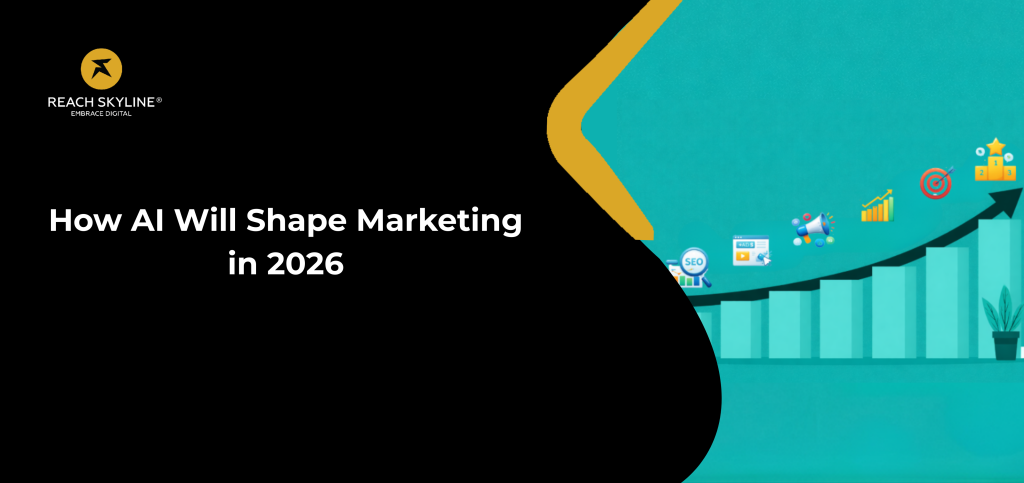
How AI Will Shape Marketing in 2026
AI

How AI Will Shape Marketing in 2026

The world of digital marketing is evolving rapidly, and artificial intelligence is becoming a key force behind this change. In 2026, businesses are not just experimenting with AI; they are building complete strategies around it. From smarter advertising to personalized customer experiences, AI is helping brands connect with audiences more effectively and efficiently. The growing role of AI in digital marketing Digital marketing AI is transforming how marketers plan and execute campaigns. Instead of relying only on manual research and guesswork, AI can analyze customer behavior, identify trends, and recommend strategies in real time. This allows businesses to make faster and more accurate decisions.Explore our AI-powered marketing solutions at Reach Skyline to see how we help brands grow. Many companies offering digital marketing services are now integrating AI into their solutions. These services include advanced analytics, automated ad optimization, and personalized content strategies. As competition increases, businesses that adopt AI-driven marketing approaches are more likely to stay ahead. AI tools changing marketing workflows There are now many AI tools for digital marketing that simplify complex tasks. These tools can generate content ideas, analyze performance data, optimize keywords, and improve targeting. Marketers can create campaigns faster while ensuring they are backed by data. AI tools help with: By using these tools, businesses can improve efficiency and focus more on strategy and creativity. Social media marketing becomes more data-driven Social media marketing is one of the areas most influenced by AI. Platforms use algorithms to decide what content users see, making it important for brands to create relevant and engaging posts. AI helps marketers understand what audiences prefer, when they are most active, and what type of content performs best. AI also supports better social media campaigns by: This helps brands maintain consistent and effective communication with their audience. Digital marketing automation in everyday strategies Digital marketing automation has become more advanced with AI integration. Automation tools can now personalize messages, segment audiences, and trigger campaigns based on user behavior. This allows businesses to communicate with customers at the right time without constant manual effort. Automation supports: With intelligent automation, marketers can focus on creative and strategic tasks while routine processes run smoothly in the background. Email marketing powered by AI Email marketing remains a powerful channel, and AI is making it even more effective. AI can analyze user behavior to send emails at the best time, recommend personalized content, and test multiple subject lines. This leads to better open rates and higher engagement. AI improves email marketing by: This ensures that email campaigns remain relevant and effective. The connection between AI and digital marketing AI and digital marketing are now closely connected. AI helps marketers understand their audience better, create personalized experiences, and improve campaign performance. Businesses that combine technology with human creativity will see the best results. In 2026, successful marketing strategies will focus on: Conclusion AI will continue to shape digital marketing in 2026 by making campaigns smarter, faster, and more personalized. From social media marketing and email marketing to digital marketing automation and analytics, AI is helping businesses improve their strategies and results. Companies that embrace AI while maintaining authenticity and creativity will be well positioned for future growth. FAQ

Scroll to Top