A few years ago, a client came to us convinced their business had a “branding problem.” Their fix? A new logo. Six weeks and a fresh wordmark later, their conversion rate hadn’t moved an inch.
Here’s the thing nobody tells you: a logo is a symbol. Your brand is everything that symbol has to live up to.
If you’re only thinking about branding when your website “needs to look nicer,” you’re solving the wrong problem. Branding and creative aren’t decoration you add at the end — they’re the reason someone chooses you over the five other tabs they have open right now.
People Don’t Buy Products. They Buy Certainty.
Think about the last time you picked one option over a nearly identical competitor. Chances are, you couldn’t fully explain why. Maybe the website felt cleaner. Maybe the tone of their emails made you trust them a little more. Maybe you just recognized the name from somewhere and that was enough to tip the scale.
That’s branding doing its job quietly, in the background, before a single sales conversation happens.
A few things a strong brand actually does for you:
- It cuts through sameness. In most industries, the services on offer look identical on paper. What separates you isn’t what you do — it’s how clearly you say it and how consistently you show up.
- It builds trust before trust is earned. Consistency is a signal. When your logo, your tone, and your website all feel like they belong to the same company, people relax a little. Inconsistency does the opposite — it makes people wonder what else might be inconsistent.
- It does the emotional work logic can’t. Nobody forwards a spec sheet to a friend. They forward a feeling. Good branding gives people something to feel before they’ve read a word of your copy.
Creative Is How the Brand Actually Shows Up
If branding is the personality, creative is the outfit it wears every day — your visuals, your video, your web design, the actual stuff people see and click on.
This part matters more than most businesses budget for. People process an image in a fraction of a second, long before they read your headline. That means your creative is making a first impression whether you’ve planned for it or not.
A few places this shows up in practice:
- On your website, where sloppy visuals quietly tell visitors “we cut corners” — even if your service is excellent.
- In your video content, where storytelling turns a complicated offer into something a stranger can understand in fifteen seconds.
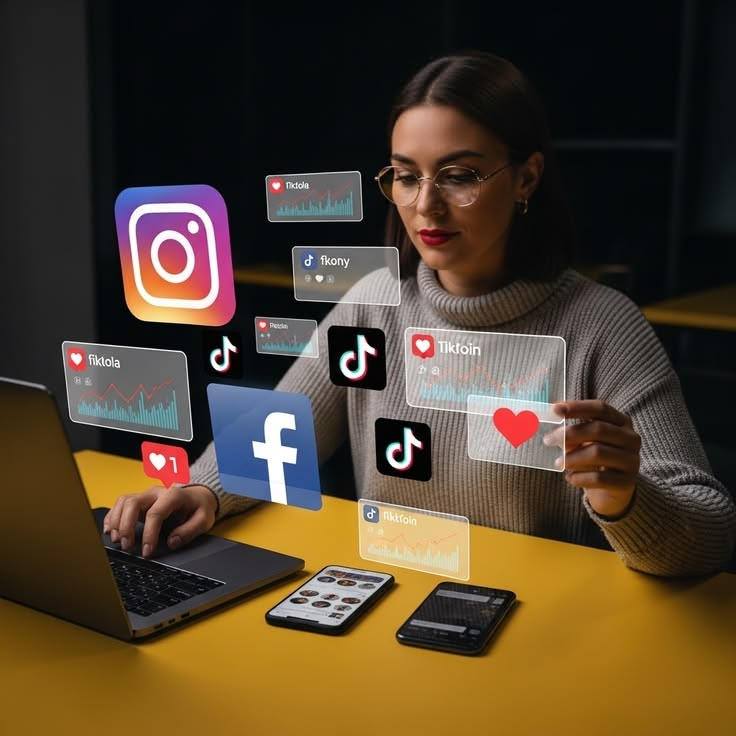
- Across platforms, where the same message needs a different outfit — a polished graphic on LinkedIn, something punchier and faster on Instagram or TikTok.
Good creativity doesn’t just look nice. It removes friction between “I found this business” and “I understand what they do and why I’d choose them.”
The Part Most Businesses Skip: Strategy
Here’s where a lot of branding advice falls apart — it treats aesthetics as the whole job. It isn’t. Pretty without purpose is just decoration.
At Reach Skyline, we treat every creative decision as a business decision first. That means:
Consistency everywhere, not just where it’s convenient. Your homepage, your email footer, your Instagram bio — if they all feel like different companies, you’re spending brand equity instead of building it.
Design built around what the user actually needs to do next. A beautiful page that doesn’t guide someone toward a next step isn’t a brand asset. It’s a liability with good lighting.
The goal was never to win a design award. It’s to make sure that every visual choice is quietly working toward the same outcome: someone trusting you enough to say yes.
So — Is Your Brand Actually Working?
A quick gut check. If any of these sound familiar, it’s worth a second look:
- Your messaging feels a little different depending on which platform someone finds you on
- People who land on your site don’t seem to “get it” right away
- You’d struggle to describe your brand’s personality in three words
- Your visuals look fine individually, but don’t feel like they belong to the same company
None of that means you need to start over. It usually means the pieces exist — they just haven’t been pulled into one coherent story yet.
Where to Go From Here
Whether you’re refining an existing identity or starting from a blank page, the work is the same: define who you are clearly enough that your audience doesn’t have to guess, and design consistently enough that they don’t have to relearn you every time they see you.
Explore our Branding and Creative services and let’s figure out what your brand should actually be saying.
Frequently Asked Questions
What’s actually included in “branding and creative”?
More than a logo. Think brand strategy, messaging and tone of voice, color and typography systems, brand guidelines, graphic design, and video — all the pieces that make your identity recognizable and repeatable.
I’m a small business. Do I really need this yet?
Especially if you’re small. A strong, consistent brand is one of the fastest ways to look established next to competitors with bigger budgets. It’s less about spending more and more about being deliberate with what you already have.
What’s the actual difference between branding and marketing?
Branding is who you are. Marketing is how you tell people. You can run all the ads you want, but if the brand behind them is inconsistent or forgettable, you’re paying to convince people of something that won’t stick.
How do I know if my brand needs work?
If your messaging shifts depending on where someone finds you, or if people frequently misunderstand what you do, that’s usually the first sign. A working brand feels the same everywhere, even when the format changes.
We’re just starting out — is it too early?
No — it’s actually the ideal time. Building the identity before you scale means you’re not retrofitting consistency onto years of mismatched decisions later.