
Many businesses launch advertising campaigns and initially feel encouraged when clicks begin to appear in campaign reports. At first glance, a high number of clicks may seem like an indicator that the campaign is performing well. However, the situation becomes concerning when those clicks fail to generate leads, inquiries, or sales.
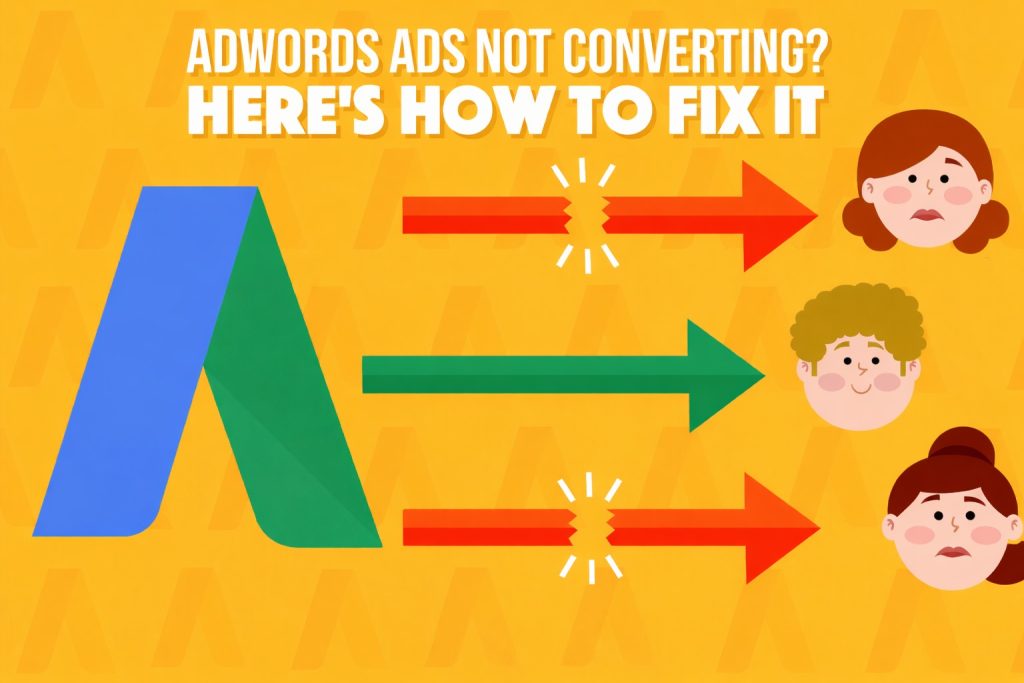
When advertisements attract attention but fail to convert visitors into customers, it usually indicates a breakdown somewhere in the marketing funnel. Clicks demonstrate interest, but conversions reflect meaningful user action. Understanding the gap between these two stages is essential for improving campaign performance and achieving better return on investment.
The Growing Challenge of Converting Online Traffic
Digital advertising has become increasingly competitive. Businesses across industries invest heavily in targeting strategies, creative development, and performance optimization. In such an environment, even small weaknesses in the conversion process can significantly affect results.
Several factors contribute to this challenge:
- Advertising costs continue to increase across platforms such as Google and Meta
- Users now have shorter attention spans while browsing online content
- Competition has intensified in almost every industry
- Poor conversion rates can lead to inefficient advertising spending
When campaigns generate clicks without conversions, businesses are not only missing potential leads but also allocating budget toward traffic that does not produce measurable results.
How the Conversion Process Works
The user journey in digital advertising generally follows a simple sequence. A user sees an advertisement, clicks on it, lands on a webpage, and then decides whether to take the intended action.
Although the process appears straightforward, most campaigns fail during the final stage of this journey.
- Advertisements create curiosity and encourage users to click
- Landing pages must build trust and clearly present the value of the offer
- Users decide whether to complete the intended action based on clarity, relevance, and credibility
If the expectations created by the advertisement do not align with what users encounter after clicking, visitors often leave the page without taking any action.
Common Reasons Ads Receive Clicks but No Conversions
1. Mismatch Between Advertisement and Landing Page
One of the most frequent causes of poor conversions is inconsistency between the advertisement and the landing page. When the message, offer, or tone presented in the ad does not match the landing page content, users may feel confused or misled.
Common issues include:
- The offer mentioned in the advertisement is not clearly visible on the landing page
- Messaging or tone changes between the advertisement and the webpage
- Users struggle to find the information promised in the ad
Maintaining consistency between the advertisement and landing page helps preserve user trust and encourages further engagement.
2. Poor Audience Targeting
Advertising campaigns may generate clicks from users who are not genuinely interested in the product or service being promoted. A high click-through rate does not always indicate successful targeting.
For example, targeting a broad audience interested in “fitness” may attract casual viewers, whereas targeting users actively searching for “weight loss programs” may attract individuals with stronger purchase intent.
Refining targeting strategies helps improve the quality of incoming traffic.
3. Weak Landing Page Experience
Landing pages play a critical role in conversion performance. Even well-performing advertisements can fail if the landing page experience does not support user decision-making.
Common landing page issues include:
- Slow loading speeds
- Unclear messaging or cluttered layouts
- Lack of a clear call-to-action
- Difficult navigation
A landing page should guide users smoothly toward the intended action while maintaining clarity and simplicity.
4. Lack of Trust Signals
Users often evaluate the credibility of a business before sharing personal information or completing a purchase. If a landing page does not provide evidence of reliability, visitors may hesitate to proceed.
Important trust signals include:
- Customer testimonials
- Verified reviews
- Case studies demonstrating results
- Recognizable client or partner logos
These elements help reassure users that the business is trustworthy and capable of delivering value.
5. Complicated Conversion Process
If the process required to complete a conversion is overly complex, users may abandon the process before finishing.
Common issues include:
- Forms requesting excessive information
- Multiple steps required to complete an action
- Unclear or confusing call-to-action buttons
Simplifying the conversion process reduces friction and increases the likelihood of users completing the intended action.
6. Absence of a Clear Value Proposition
Users should quickly understand what the business offers and why it is valuable to them. If visitors struggle to identify the benefits of the product or service, they are unlikely to continue exploring the page.
A strong value proposition clearly communicates:
- What the product or service offers
- How it solves a specific problem
- Why it is beneficial for the user
Clear communication helps visitors make faster and more confident decisions.
Strategies to Improve Conversion Performance
1. Align Advertisement Messaging with Landing Pages
The transition from advertisement to landing page should feel consistent and seamless. Maintaining alignment in messaging, tone, and offers helps reduce confusion and strengthens user trust.
Key practices include:
- Maintaining the same offer throughout the user journey
- Using consistent language and messaging
- Ensuring the landing page immediately reflects the advertisement’s promise
2. Refine Audience Targeting
Precise targeting ensures that advertisements reach users who are more likely to convert.
Effective targeting strategies include:
- Geographic targeting based on service areas
- Interest-based audience segmentation
- Custom audience creation using existing data
- Retargeting campaigns for users who previously interacted with the brand
Better targeting improves traffic quality and increases conversion potential.
3. Optimize Landing Pages for Conversions
Landing pages should guide users toward a clear action without distractions. Effective landing pages typically include:
- A clear and compelling headline
- A visible and direct call-to-action
- Minimal distractions and simplified design
- Fast loading speed across all devices
Optimizing these elements helps create a smoother user experience.
4. Incorporate Social Proof
Social proof strengthens credibility and reduces uncertainty for potential customers.
Examples of effective social proof include:
- Customer testimonials describing positive experiences
- Case studies demonstrating measurable results
- Verified customer reviews
- Partnerships with recognized brands or organizations
These elements provide reassurance and support the decision-making process.
5. Simplify Forms and Calls to Action
Reducing friction in the conversion process improves completion rates.
Best practices include:
- Limiting form fields to essential information
- Using clear and direct call-to-action buttons
- Keeping the navigation structure simple
When the conversion process feels straightforward, users are more likely to complete it.
6. Track and Analyze User Data
Performance marketing relies heavily on accurate data analysis. Tracking user behavior allows businesses to identify problem areas within the conversion funnel.
Useful tools include:
- Google Analytics for traffic and behavior insights
- Conversion tracking for performance measurement
- Heatmap tools to analyze user interaction with webpage elements
Data-driven insights enable informed optimization decisions.
Benefits of Improving Conversion Performance
Addressing the causes of low conversions can significantly improve advertising outcomes.
Potential benefits include:
- Lower cost per lead or acquisition
- Improved return on advertising investment
- Stronger overall campaign performance
- More predictable marketing growth
When the entire user journey is optimized, advertising budgets can generate more meaningful business results.
Risks and Challenges
Misdiagnosing the Problem
Businesses sometimes assume that advertisements are the primary issue when the real problem lies within the landing page or conversion process.
Excessive Optimization
Making multiple changes simultaneously can make it difficult to determine which adjustments actually improved performance.
Ignoring Data Insights
Decisions based on assumptions rather than data can lead to ineffective optimization strategies.
Best Practices for High-Converting Advertising Campaigns
- Ensure consistency between advertisement intent and landing page messaging
- Prioritize user experience and website performance
- Continuously test different creatives and messaging strategies
- Optimize landing pages for mobile users
- Implement retargeting strategies for interested visitors
Following these practices helps improve overall campaign effectiveness.
Future Trends in Digital Advertising
Digital advertising continues to evolve as technology advances. Several emerging trends are shaping the future of advertising strategies:
- AI-driven campaign optimization
- Predictive audience targeting
- Personalized advertising experiences
- Privacy-focused tracking and analytics solutions
Businesses that adapt to these trends will be better positioned to maintain competitive performance in digital marketing.
Conclusion
When advertisements generate clicks but fail to produce conversions, the problem usually lies within the post-click experience rather than the advertisements themselves.
Successful campaigns require alignment between audience targeting, advertisement messaging, and landing page experience. By focusing on these key elements, businesses can transform incoming traffic into meaningful actions such as leads, inquiries, and purchases.
Improving conversions ultimately requires a structured approach that prioritizes user experience, trust-building, and data-driven optimization throughout the marketing funnel.
Businesses working with experienced teams can better analyze campaign performance, optimize landing pages, and implement tracking systems that convert traffic into measurable business growth.
FAQs
This typically occurs due to poor audience targeting, weak landing page design, unclear messaging, or a complicated conversion process.
Improving landing page quality, refining audience targeting, aligning advertisement messaging, and simplifying the conversion process can help increase conversion rates.
Conversion rates vary by industry, but many campaigns typically achieve rates between 2% and 5%.
Yes. Landing pages significantly affect whether users complete the intended action after clicking an advertisement.
Common causes include irrelevant traffic, misleading advertisement messaging, or poor landing page user experience.