
Customers see countless brand messages every day, and most of them blur together. The brands people remember are the ones that tell a story worth caring about.
Brand storytelling gives your audience a reason to trust you before they ever compare prices. A July 2025 Snapcart survey of 964 Indonesian consumers found that 62% are more likely to trust a brand that shares its story, 78% say storytelling helps them understand a brand’s values, and 78% find it easy to remember brands that use storytelling.
In this guide, we explain how brand storytelling influences customer decisions, why emotion matters, and how to build a story that supports real buying behaviour. You will also see examples and mistakes to avoid.
What Is Brand Storytelling, and Why Does It Matter?
Brand storytelling is the practice of sharing your brand’s purpose, values and journey as a story people can connect with, instead of listing features and prices. A good brand story explains who you are, why you exist and what you stand for. It also shows customers how your product fits into their lives.
This goes beyond basic storytelling in marketing, which can simply mean using a narrative in a single ad. Brand storytelling runs through every part of your brand communication, from your website and social posts to packaging and customer support replies.
It matters because customers rarely buy on facts alone. Features are easy to copy, and prices are easy to match. A story is much harder to imitate, so it helps people understand what makes you different long before they reach the checkout page.
A strong brand story usually has four parts: a character, such as the customer, founder or community you serve; a challenge, which represents the problem your audience faces; a turning point, when your brand steps in to help; and a result, which shows the change customers can expect.
When these parts show up consistently, your story becomes easier to remember and easier to trust. A clear narrative also gives customers fewer reasons to hesitate when they compare options.
How Brand Storytelling Shapes Consumer Behaviour
Understanding consumer behaviour starts with one simple fact: people decide with both logic and feeling. Stories speak to both. They give customers facts to weigh and emotions to react to, and that combination shapes consumer decision making.
Research supports this. A 2023 study in the Journal of Marketing Analytics surveyed 323 consumers and found that storytelling improves how people think and feel about a brand. Those responses, in turn, increased their purchase intention.
Storytelling also changes customer perception. Two brands can sell the same product at the same price, yet the one with a clear story feels more credible and more human.
Here is how a story influences each stage of consumer buying behaviour. At the awareness stage, a memorable story helps people notice and recall your brand. Snapcart’s follow-up research found that 44% of respondents meet brand storytelling most often on social media, so short, story-led content is a smart place to start.
During consideration, a relatable story helps customers see why you fit their needs, earning your brand a place on their shortlist. At the decision stage, trust and emotional comfort reduce doubt at the final step. After the purchase, happy customers may share your story with friends and family, building word of mouth and brand advocacy.
When you map your story to these stages, every piece of content has a clear job to do.
The Role of Emotional Connection in Buying Decisions
Customers do not always remember what you said, but they remember how you made them feel. That is why emotional connection sits at the heart of brand storytelling.
Emotional marketing works because feelings guide attention and memory. When a story makes someone feel understood, proud or hopeful, they link that feeling to your brand. Over time, emotional branding turns a simple purchase into a relationship.
The numbers back this up. In the Snapcart study, 67% of respondents said they often buy after being moved by an emotional advertisement. Research from MIT Sloan Management Review points the same way. It measured self-brand connection, trust and purchase consideration, and concluded that consumer storytelling is a powerful tool for building brand preference.
To build an emotional connection without sounding forced, start with a real customer problem. Specific details feel honest and relatable. Show people, not just products, because faces, voices and real situations build empathy faster than feature lists. Keep the emotion believable, as overdramatic stories feel fake and can hurt trust. Finally, match the tone to your audience. A family-run business may lean on warmth, while a technology brand may lean on confidence.
Emotion should support your message, not replace it. A customer who feels something and also understands the benefit is far more likely to act.
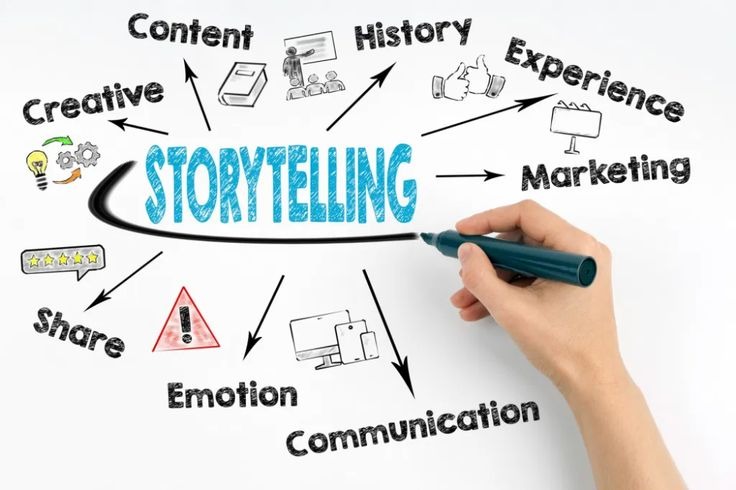
Building Brand Trust, Loyalty and Awareness Through Stories
Trust is where storytelling pays off over the long term. When your story is consistent and honest, customers learn what to expect from you. That predictability builds brand trust, and trust builds brand loyalty.
The Snapcart survey found that 55% of respondents feel like part of a brand’s community when it shares a compelling story. That sense of belonging strengthens customer loyalty and keeps people engaged long after the first purchase.
Storytelling also lifts brand awareness. A distinctive narrative gives people something to talk about, share and recall. It improves customer engagement too, because audiences respond to stories far more readily than to plain promotions.
Three habits make this work. Be consistent by using the same values and tone across your website, social media and ads. Be transparent by sharing real milestones, including the lessons you learned from setbacks. Most importantly, back the story with action. If you promise quality or care, your product and service must deliver it.
Your brand personality plays a big part here. A friendly, witty or premium voice should stay steady across every touchpoint. When the tone shifts from channel to channel, customers get confused, and trust weakens.
How to Create a Brand Story That Influences Decisions
Knowing why storytelling works is only half the job. Here is a simple brand storytelling strategy you can follow, even if you are starting from scratch.
Step 1: Define Your Purpose and Values
Start with why your brand exists beyond making money. Your values become the backbone of your story, and they guide every message you share.
Step 2: Understand Your Audience
Study your customers’ goals, fears and daily frustrations. Talk to them, read their reviews and notice the words they use. Your story should sound like it belongs to them.
Step 3: Choose One Central Message
Pick a single clear idea that supports your brand positioning. A focused message is easier to repeat, and repetition is what makes a story stick.
Step 4: Build the Narrative Arc
Use the four parts we covered earlier: a character, a challenge, a turning point and a result. Keep the customer at the centre and position your brand as the guide.
Step 5: Tell It Across Every Channel
Adapt the same core story for your website, social media, email and packaging. Using one message in different formats is one of the most useful brand storytelling techniques, because it builds recognition without feeling repetitive.
If you want a partner to turn this into a clear brand strategy, the team behind Reach Skyline’s branding and creative services can help you shape your message, voice and visuals into one consistent story.
Brand Storytelling Examples Worth Learning From
Looking at real brand story examples makes the ideas easier to apply. Four brands offer useful lessons.
Nike: Since the late 1980s, the “Just Do It” message has told stories about ordinary people and athletes pushing past their limits. Nike sells determination, not just shoes.
Dove: The Real Beauty campaign built its story around real women instead of idealised images. That gave the brand a clear purpose people could believe in.
Coca-Cola: “Share a Coke” put names on bottles and turned a drink into a way to connect with friends and family.
Amul: Its topical ads, featuring the Amul girl, comment on current events with humour. Decades of consistent tone have made the brand instantly recognisable across India.
What do these brands have in common? They lead with meaning, not product specifications. They use a steady voice, and they keep people at the centre of the story.
You do not need a large budget to follow their lead. Use these brand storytelling examples as inspiration, not templates. Your own story should come from your customers, your values and the real reasons your business exists.
Common Brand Storytelling Mistakes to Avoid
Storytelling can backfire when it feels forced. One common mistake is making your brand the hero. Customers want to see themselves in the story, so cast them as the lead and your brand as the guide.
Inconsistency is another problem. A warm story on Instagram and a cold, salesy website confuse people. Exaggerating or inventing details can also damage trust faster than having no story at all.
It is equally important not to ignore the product. In Snapcart’s research, product quality ranked highest as a purchase influence at 43%, while 16% of respondents said trusting a brand’s story influenced them most. Stories support quality; they cannot replace it.
Finally, do not expect instant sales. The same research suggests storytelling works best as an early step in the buying journey, not as an immediate trigger for conversion.
Avoid these errors, and your story will build trust instead of raising doubts.
Frequently Asked Questions
What is brand storytelling?
Brand storytelling is the way a brand shares its purpose, values and journey through a narrative customers can connect with. It focuses on meaning and emotion, not just product features.
How does brand storytelling influence customer decisions?
It builds emotional connection, trust and recall. Customers who understand and relate to your story feel more confident choosing you over similar options.
What makes a good brand story?
A good brand story has a clear character, a relatable challenge, a turning point and a result. It also stays honest and consistent across every channel.
What is the difference between a brand story and brand positioning?
Brand positioning defines where you sit in the market and why you are different. Your brand story brings that position to life through narrative, so customers can feel it and remember it.
Is brand storytelling only for big brands?
No. Small businesses often have the strongest stories because their founders, customers and local roots are real and specific.
How long does brand storytelling take to work?
It builds over time. Storytelling usually strengthens awareness and trust first, and sales tend to follow as your audience becomes more familiar with your brand.
Final Thoughts
Brand storytelling influences customer decisions at every stage. It builds brand awareness, creates emotional connections, strengthens trust, and encourages customer loyalty. While storytelling cannot replace a quality product or service, it gives your brand meaning and gives customers a reason to choose you over competitors.
Start by defining your brand values, understanding your audience, and sharing an authentic story consistently across every channel. Refine your approach based on how customers respond to your message.
If you want to turn your brand’s journey into a story that resonates with your audience, visit Reach Skyline or explore our branding and creative services. Let’s build a brand story your customers will remember and connect with.