Mis-targeting in marketing is exactly what it sounds like: brands talking to the wrong people and then acting surprised when nobody responds.
It’s one of the most common reasons campaigns fail. Not bad creatives. Not low budgets. Just poor audience targeting.
When your message reaches the wrong audience:
- Engagement drops
- Conversion rates collapse
- Marketing ROI disappears
And yet, brands keep repeating the same mistake. Louder campaigns, bigger budgets, same wrong audience.
Why This Topic Matters Today
Marketing has never had more data. Ironically, it has also never been easier to misuse it.
According to HubSpot, 42% of marketers say reaching the right audience is their biggest challenge. Meanwhile, Google reports that personalized ads can improve conversion rates by up to 20% when targeting is accurate.
So the gap is obvious:
- Data exists
- Tools exist
- Results don’t
Why? Because targeting is treated like a checkbox, not a strategy.
Today’s environment makes mis-targeting even more dangerous:
- Ad costs are rising
- Competition is intense
- Attention spans are shrinking
If you target wrong, you don’t just lose money. You lose relevance.
How Mis-Targeting in Marketing Happens
Mis-targeting is rarely a single mistake. It’s usually a chain of lazy assumptions.
1. Poor Audience Definition
Brands rely on vague personas like:
“Age 25–40, interested in fitness”
That’s not targeting. That’s guessing.
2. Over-Reliance on Demographics
Demographics tell you who someone is, not why they buy.
Behavioral targeting matters more:
- Search intent
- Buying patterns
- Engagement signals
3. Ignoring Customer Journey Stages
Showing a “Buy Now” ad to someone who just discovered your brand is like proposing on the first date.
4. Data Without Context
Analytics dashboards look impressive. Interpretation is where things fall apart.
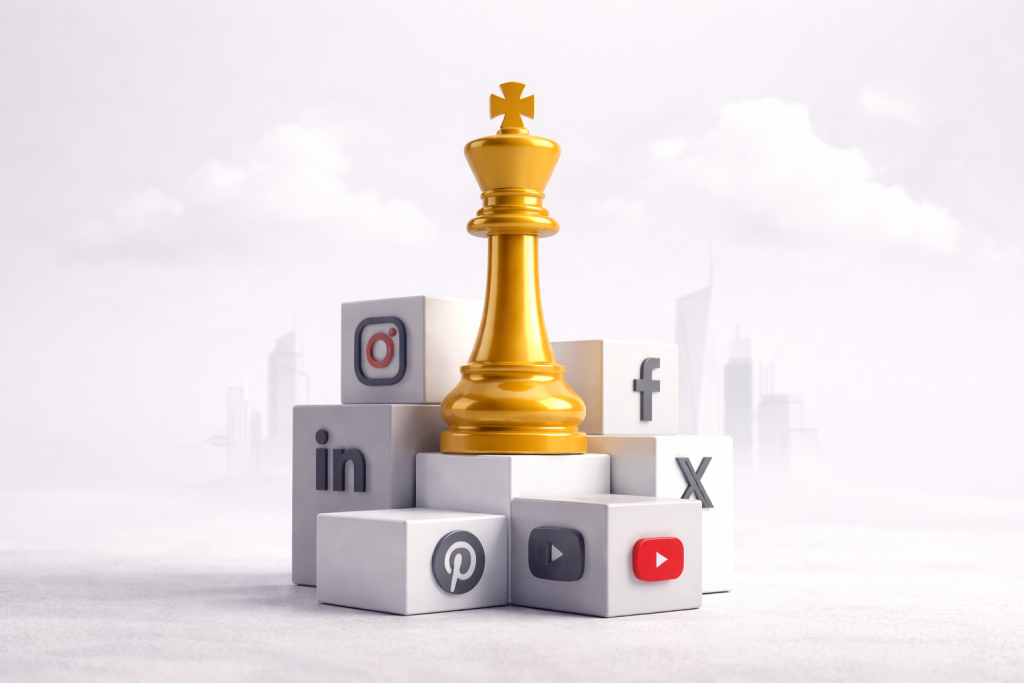
5. Platform Misalignment
Each platform has different user intent:
- LinkedIn → Professional
- Instagram → Discovery
- Google → High intent
Treating them the same guarantees failure.
Strategies to Fix Audience Targeting
Now for the part where brands either improve… or continue blaming “market conditions.”
1. Build Real Customer Personas
Not the decorative kind.
Use:
- Customer interviews
- CRM data
- Behavioral insights
Focus on:
- Pain points
- Buying triggers
- Decision barriers
2. Use Intent-Based Targeting
Intent beats demographics every time.
Examples:
- Search queries
- Website behavior
- Past purchases
This is where SEO services play a major role in capturing high-intent users.
3. Segment Your Audience Properly
Stop treating all users the same.
Segment based on:
- Awareness stage
- Engagement level
- Purchase readiness
4. Leverage First-Party Data
Third-party cookies are fading. Your own data is gold.
Use:
- Email lists
- CRM insights
- Website analytics
5. Test and Optimize Continuously
Targeting is not “set and forget.”
Run:
- A/B tests
- Audience experiments
- Creative variations
Benefits of Getting Targeting Right
When targeting works, everything else becomes easier.
1. Higher Conversion Rates
Right audience = better response.
2. Lower Customer Acquisition Cost
You stop wasting money on uninterested users.
3. Stronger Brand Positioning
Your message resonates instead of confusing people.
4. Better Campaign Performance
All channels improve:
- Paid ads
- SEO
- Content marketing
5. Improved Marketing ROI
Finally, numbers that don’t make your finance team nervous.
Risks and Challenges of Poor Targeting
Let’s not sugarcoat this.
1. Budget Waste
You pay for impressions that never convert.
2. Brand Dilution
Wrong audience = wrong perception.
3. Low Engagement
Clicks drop. Bounce rates rise.
4. Missed Opportunities
Your actual audience goes to competitors.
5. Misleading Data
Bad targeting creates bad insights, which leads to worse decisions.
Best Practices for Accurate Targeting
Align Marketing with Business Goals
Targeting should support:
- Revenue
- Growth
- Customer retention
Use Multi-Channel Data
Combine insights from:
- Social media
- Search
- Website analytics
Integrate Marketing Efforts
Strong digital marketing services connect:
- Paid ads
- SEO
- Content
Focus on Content Relevance
Your message must match the audience’s intent. That’s where content marketing services become critical.
Conduct Regular Audits
Use SEO audit services to identify:
- Traffic mismatches
- Keyword misalignment
- Audience gaps
Future Trends in Audience Targeting
AI-Driven Targeting
AI tools will predict behavior, not just analyze it.
Hyper-Personalization
Content tailored to individual users in real time.
Privacy-First Marketing
First-party data strategies will dominate.
Contextual Targeting Comeback
Ads based on content context, not just user data.
Cross-Platform Intelligence
Unified insights across all channels.
Conclusion
Mis-targeting in marketing is one of the fastest ways to waste time, money, and effort.
It’s not about how much you spend. It’s about who you reach.
Brands that succeed:
- Understand their audience deeply
- Use data intelligently
- Align messaging with intent
Those that don’t will keep running campaigns that look impressive… and perform terribly.
Fix your targeting, and everything else starts working. Ignore it, and no amount of creativity will save you.
If you’re struggling to reach the right audience or improve campaign performance, working with a professional digital marketing agency can help you build data-driven strategies that actually convert.
FAQs
Mis-targeting in marketing occurs when campaigns reach the wrong audience, resulting in low engagement, poor conversions, and wasted budget. It often stems from weak audience segmentation, poor data usage, or incorrect platform strategies.
Audience targeting ensures that marketing messages reach users who are most likely to engage and convert. It improves campaign efficiency, reduces costs, and increases ROI by focusing on relevant users.
Businesses can improve targeting by using first-party data, analyzing user behavior, segmenting audiences properly, and continuously testing and optimizing campaigns based on performance insights.
Common mistakes include relying only on demographics, ignoring user intent, targeting all audiences the same way, and failing to align messaging with different stages of the customer journey.
Yes, AI can analyze large datasets, predict user behavior, and automate targeting decisions. However, human oversight is essential to ensure accuracy, relevance, and strategic alignment.